 How-to
How to Buy a Home With Low Savings
Last Updated: November 17, 2026
Quick Summary
You can buy a home with low savings by choosing a loan program with a minimal down payment, such as a Conventional 97 at 3%, an FHA loan at 3.5%, or a VA loan at 0% for eligible veterans and service members. Texas down payment assistance programs can also cover part or all of your down payment and closing costs.
- A bigger down payment lowers your monthly payment but drains cash for closing costs and reserves.
- The TDHCA homebuyer program pages list current eligibility rules, income limits, and participating lenders.
- Some assistance programs require a homebuyer education course before closing, and skipping it can cost you the assistance.
- Underwriters typically review credit score, debt-to-income ratio, cash to close, income stability, and reserves.
- Ask your agent whether the seller will credit part of your closing costs to lower the cash needed at the table.
Table of Contents
- Lowest Down Payment Mortgage Options for Buyers With Low Savings
- Texas Down Payment Assistance Programs and How to Verify Them
- Mortgage Pre-Approval With Limited Savings: What Lenders Look For
- Home Buying Closing Costs and Cash Reserves You Need Beyond the Down Payment
- Frequently Asked Questions
Lowest Down Payment Mortgage Options for Buyers With Low Savings
At Randy Teakell Mortgage, we walk Texas buyers with low savings through the loan options that ask for the least cash upfront. Down payment requirements depend on loan type and eligibility, and the right option depends on your credit, income, and savings.
| Loan Program | Minimum Down | Who It Fits | Key Trade-off |
|---|---|---|---|
| Conventional 97 | 3% | Buyers with solid credit | PMI until 20% equity |
| FHA loan | 3.5% | Buyers with lower credit scores | Upfront and annual MIP |
| VA loan | 0% | Veterans and service members | Funding fee may apply |
Minimum Down
A bigger down payment lowers your monthly payment but drains cash for closing costs and reserves. Loan programs differ in their down payment rules, income limits, and mortgage insurance terms, so the right fit depends on your individual file. VA loans may be an option for eligible veterans, active military, and surviving spouses, and USDA loans may be an option in eligible rural areas, subject to program requirements.
See the full breakdown of mortgage options across Texas, then run the numbers with our mortgage calculator.
Texas Down Payment Assistance Programs and How to Verify Them
Down payment assistance helps buyers cover part or all of the down payment and closing costs, and Texas runs several programs with many cities and counties adding their own. The Texas Department of Housing and Community Affairs administers statewide homebuyer programs; the TDHCA homebuyer program pages list current eligibility rules, income limits, and participating lenders. When assistance does not cover every upfront expense, buyers may also reduce their cash needs by using seller concessions to negotiate help with closing costs.
Verification matters: never trust a program name without checking the fine print.
The HUD list of approved housing counseling agencies is a good place to confirm a program is legitimate. Some programs require a homebuyer education course before closing; skip it and you can lose the assistance. For a straight answer on which programs fit your file, contact Randy Teakell directly with no obligation.
Mortgage Pre-Approval With Limited Savings: What Lenders Look For
Mortgage pre-approval with limited savings comes down to your credit score, debt-to-income ratio, and cash to close. Pre-approval is a lender's written estimate of what you can borrow, not a final approval. Underwriters typically review credit score, debt-to-income ratio, cash to close, income stability, and reserves. A recent late payment or maxed-out card can change your approval or your rate, so clean up the small stuff first.
The Consumer Financial Protection Bureau guide to loan estimates explains how to compare offers side by side. Start early with our home buying guide and prequalification so you know your real number before you shop.
Home Buying Closing Costs and Cash Reserves You Need Beyond the Down Payment
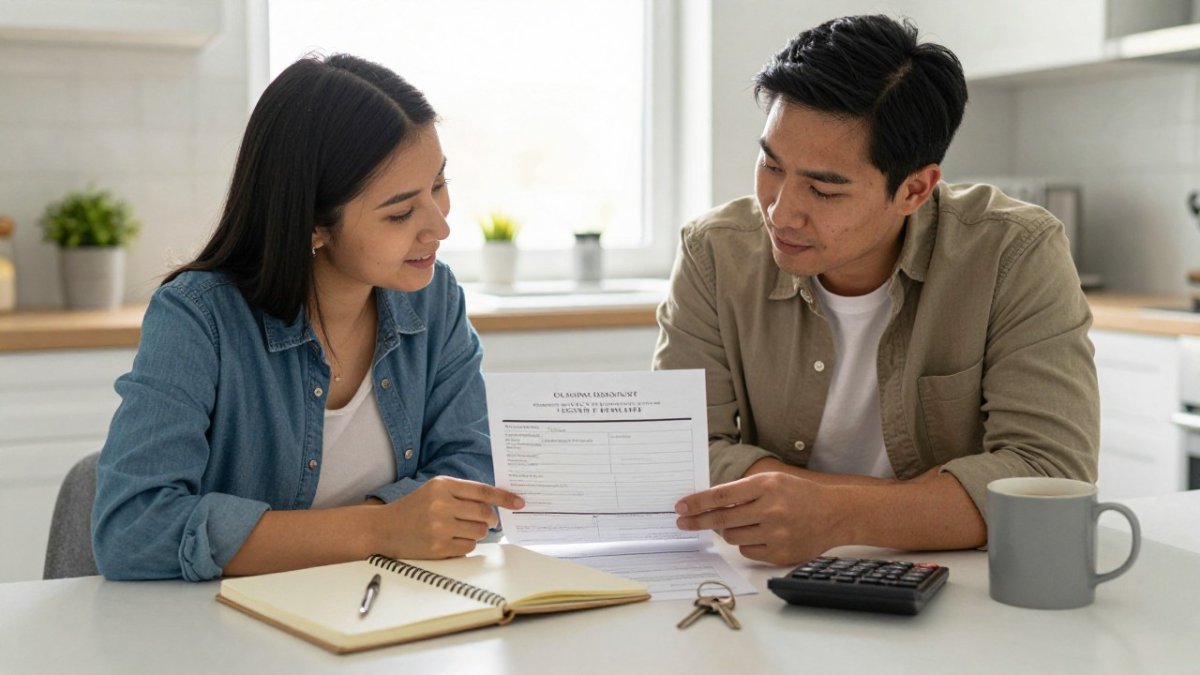
Closing costs are an additional expense beyond the down payment, and some loans also require cash reserves.
| Test | Pass | Warning Sign |
|---|---|---|
| Cash for down payment | Saved and documented | Relying on a loan you have not secured |
| Cash for closing costs | Covered separately | Planning to drain your emergency fund |
| Reserves | One to two months of payments | Zero left after closing |
Ask your agent whether the seller will credit part of your closing costs, which lowers your cash needed at the table. Buying with less cash generally means a larger loan balance, which can raise your monthly payment and total interest cost, so it helps to compare scenarios before you choose.
Buying with low savings takes the right loan, verified assistance, and a clear picture of your total cash to close. Randy Teakell Mortgage offers fast approvals, one-on-one support, and custom mortgage quotes built around your file, not a template. We serve buyers across Texas from Celina, and we will tell you plainly what you qualify for. Get started with Randy Teakell Mortgage and move from guessing to a real pre-approval.
Frequently Asked Questions
What is the lowest down payment for a house in Texas?
Some loan programs allow very low or no down payment. Several loan programs offer lower down payment options, including VA loans for eligible veterans and surviving spouses, USDA loans in eligible rural areas, FHA loans, and conventional options. Program requirements vary. Your actual minimum depends on credit score, income limits, property location, and the lender's requirements.
Can Texas down payment assistance programs help pay closing costs?
Some Texas down payment assistance programs may be used toward closing costs as well as the down payment. Eligibility depends on each program's requirements, which can include income limits and other conditions. Ask your loan officer to confirm which programs you qualify for and how each one affects your cash to close.
How much money should I keep in savings after buying a home?
Plan to keep a cash reserve after closing for moving costs, minor repairs, and a few months of mortgage payments. Lenders also review your reserves during underwriting, and some loan programs have specific reserve requirements. A practical approach is to budget your full cash to close first, including closing costs, prepaid items, and escrow deposits, then confirm what remains so you are not left without a cushion for unexpected expenses.
